
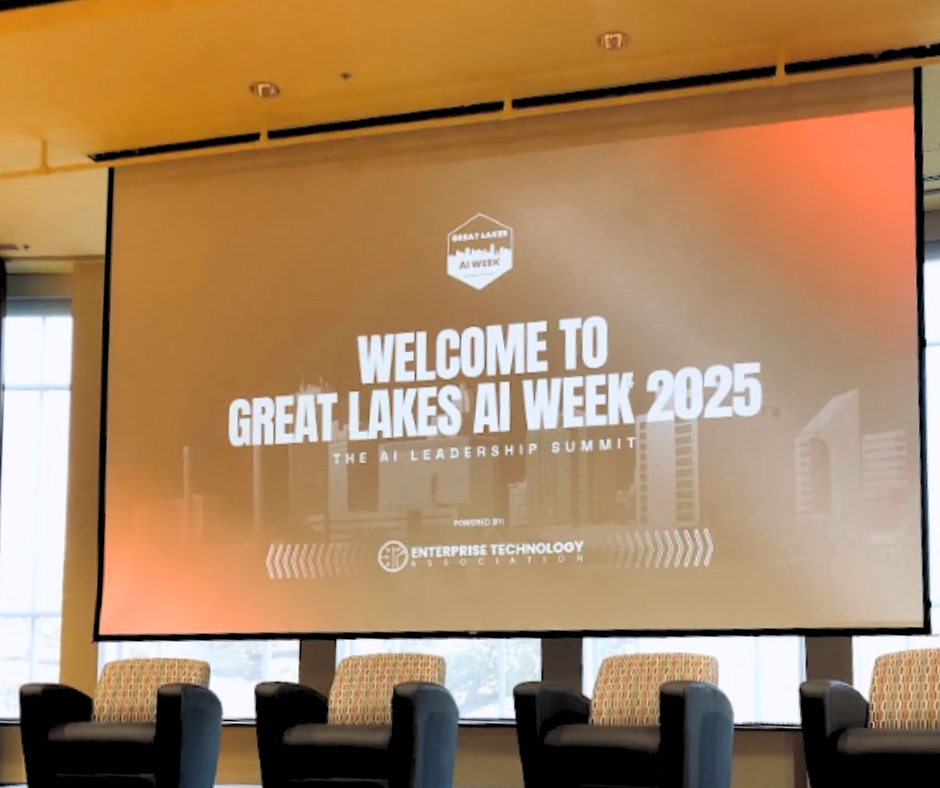
Great Lakes AI Week, a major conference focused on practical applications of artificial intelligence was held for the first time in Northwest Ohio from November 4-6, 2025 at Bowling Green State University. It brought in over 1,000 industry leaders, startups, students, civic officials and even a White House Presidential Innovation Fellow. The event had over 140 speakers across keynotes, panels and workshops.
The event marked a rare convergence of national AI expertise and Midwest grit, proving that a region long defined by manufacturing can be a leader in AI on par with Silicon Valley.
Tom Bush, founder of EmpoweredAI and CEO of Actual Reality Technologies, a Toledo-based AI consulting company that specializes in augmented intelligence, Lean Six Sigma and data modeling, shared in an interview how Toledo can be a city leading AI innovation.
“The AI innovation in the Midwest—particularly in Toledo—is deeply exciting because it’s grounded in real-world impact. We’re not just creating flashy prototypes; we’re deploying AI into factories, schools, hospitals and city systems where it’s making a difference today. The people here bring a practical, values-driven approach to technology that’s often missing on the coasts,” Bush said in an email. “If we keep our momentum — especially by supporting startups, apprenticeships and cross-sector partnerships — we’re going to see Toledo emerge as a national model for inclusive, sustainable AI growth.”
Bush also shared how the Great Lakes AI Week being held in Northwest Ohio was a powerful sign that Ohio is not just catching up in tech, but actively shaping what comes next.
“We’re building a blueprint here that other regions will want to follow,” Bush said in an email.
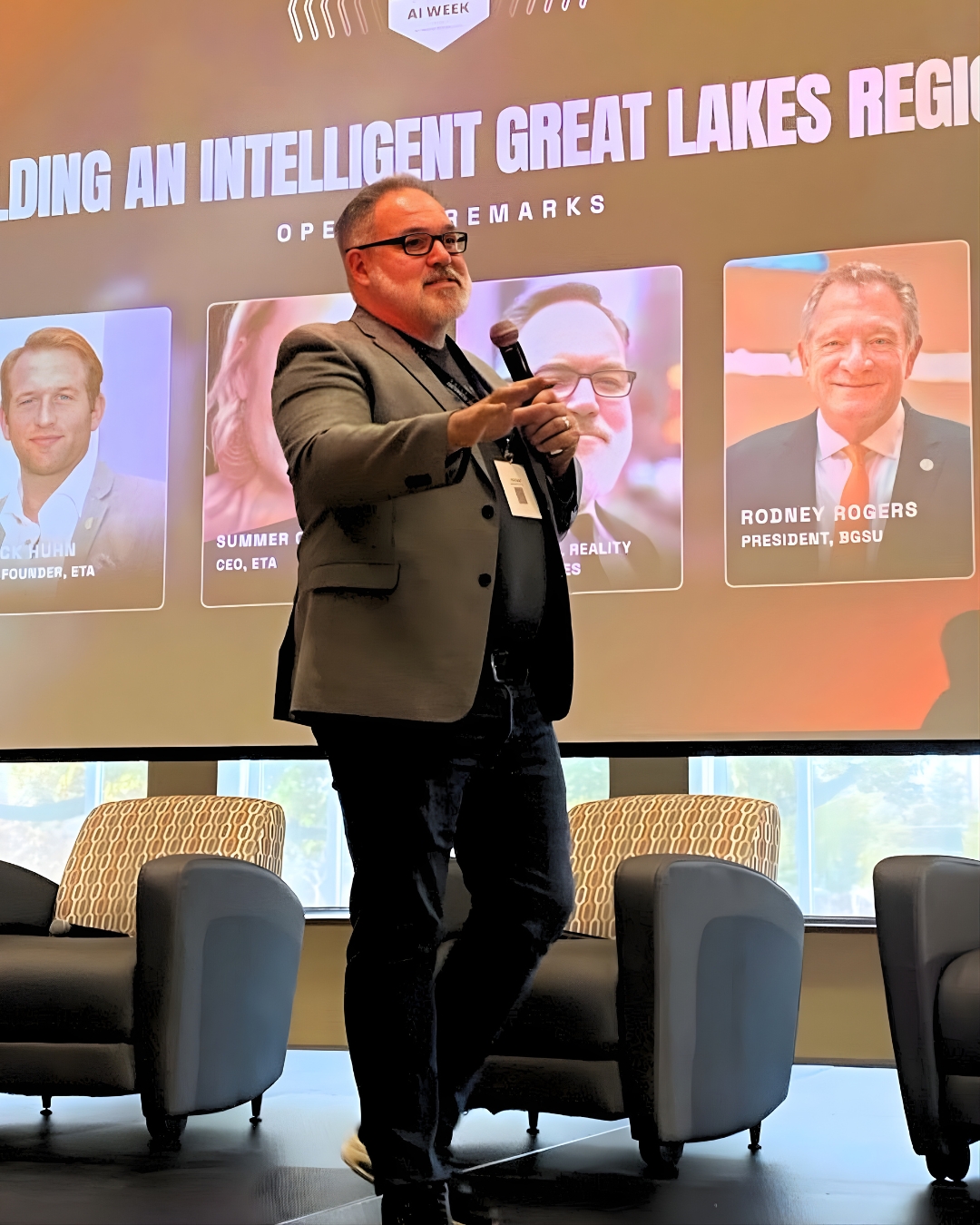
Justin Beaudry, director of engineering at Actual Reality Technologies and founder of Toledo Codes, also shared his vision on transforming Toledo into the AI capital of the Midwest.
“Our ambitious goal was having a regional tech conference and we’re standing in it right now,” Beaudry said.
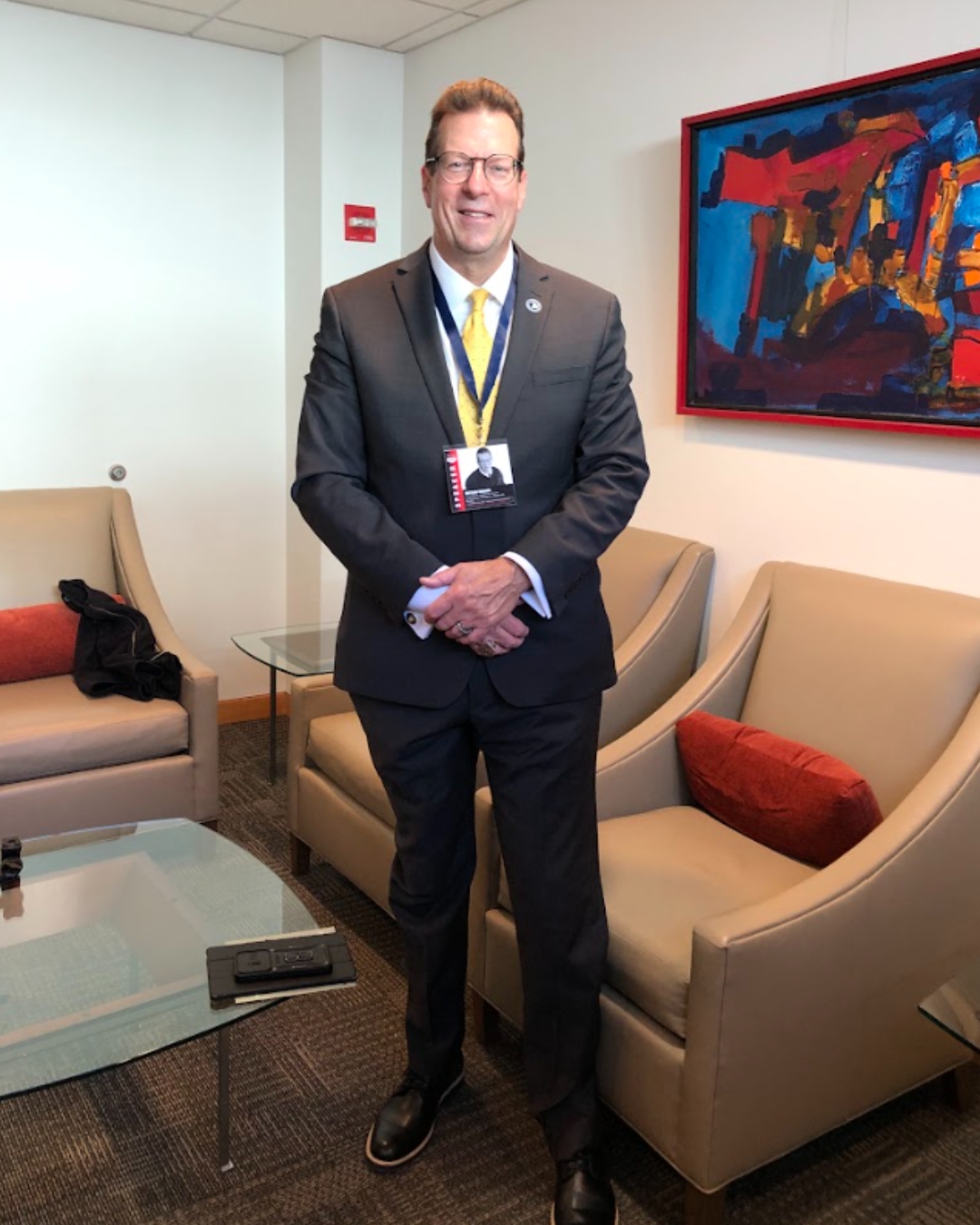
Matthew Versaggi, White House Presidential Innovation Fellow in Artificial Intelligence at the Centers for Medicare and Medicaid Services, highlighted Ohio’s unique position at the intersection of AI, biotech and nanotech with its industrial and healthcare sectors being a fertile ground for the real-world impact that AI can have.
“As Ohio goes, the country goes […] So when you have these domains that AI can play in, because of its nature, changing everything, there’s a lot of good stuff that can happen,” Versaggi said.
When asked about what university graduates should focus on to break into the AI industry, Beaudry stressed the importance of not just learning how to leverage AI as a tool, but how to utilize this tool to serve others, and thus practically needing to have a strong foundation for learning the semantics of the language.
“When you’re working at an organization, you’re not completing a task, you’re not turning in an assignment, you’re delivering value to somebody.” he said. “[This is] the pinnacle of what you have to do to be an effective engineer.”
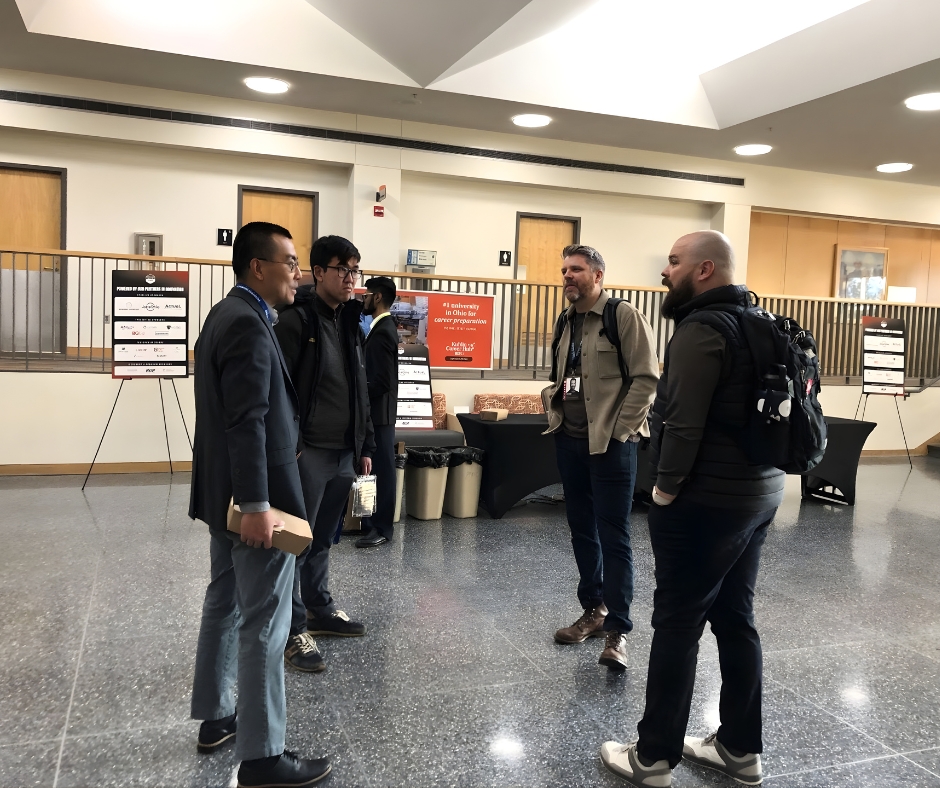
Jason Owens, chief engineer and co-founder of Resonance Group, captured the conference’s no-hype approach in his talk on self-improving AI voice agents and emphasized the importance of education for expanding AI in the Midwest.
“We need to understand that AI is a tool. It’s not something that’s coming to take your job […] And if we see that as a way to strengthen our workflow — in a way, free us from the grunt work of the kinds of jobs and tasks we’re doing now — we can invest our time and energy in other things that are more creative or more people-oriented, more life-oriented,” Owens said.
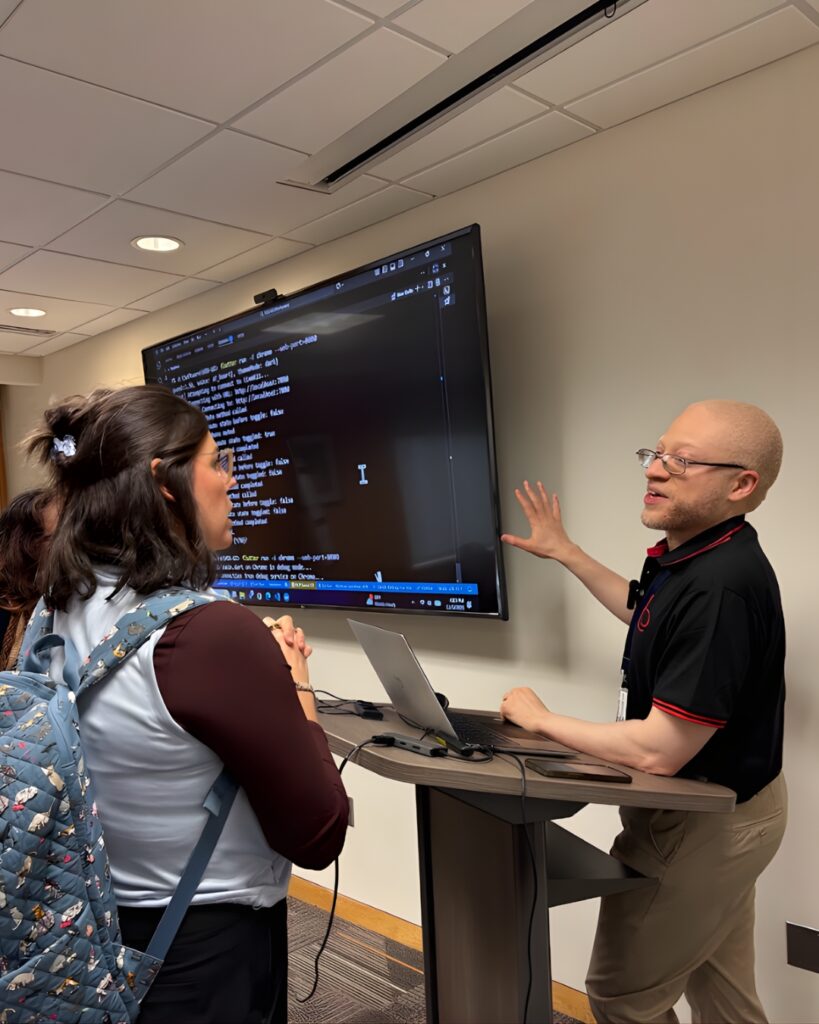
Phillip Mobley, an electronics engineer and co-founder of Resonance Group, presented on vibe coding and how AI is changing the culture, workflow and creativity of software development teams.
“AI…[is] an emerging technology that has been effectively changing everything on how we work, and it’s going to be very disruptive in a lot of fields,” Mobley said. “So with vibe coding, [we can see] AI has a lot of limitations that still need to be overcome, and AI still needs a human in order to oversee the work that it’s doing.”
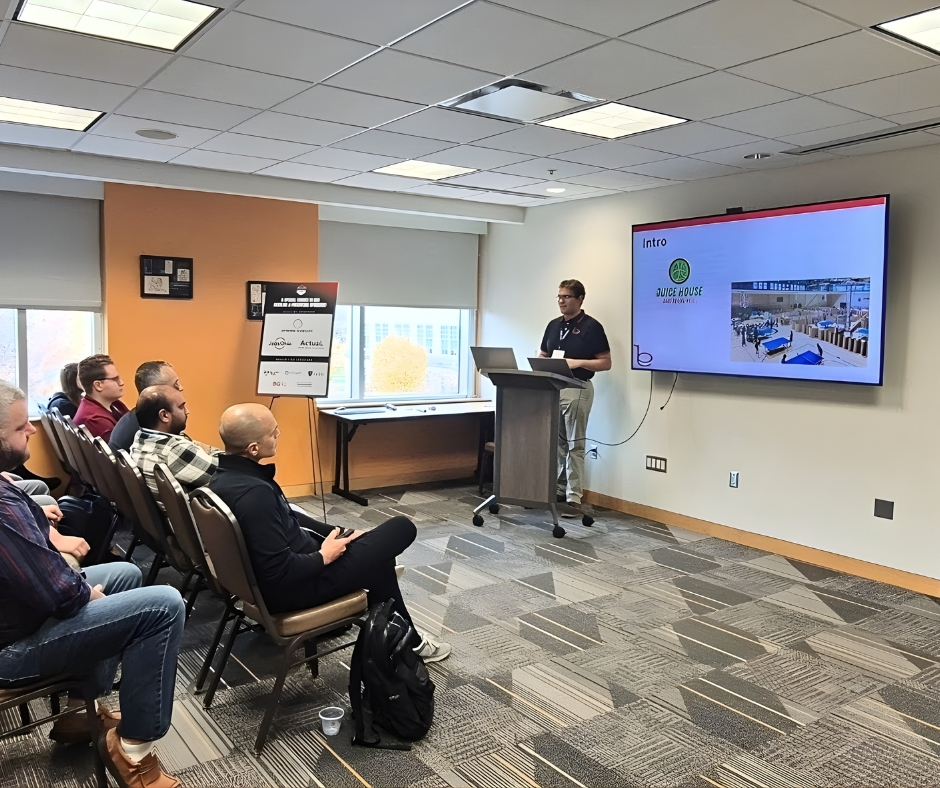
When asked what his biggest takeaway was from the event, Mobley highlighted how a lot of people were recognizing that industries are changing the ways they work with AI.
“AI is … going to really evolve the way in which we do work,” Mobley said. “And I think that’s a direction that AI can take for the Midwest.”