
On July 4, 1976, residents of Sylvania, Ohio, gathered in Burnham Park to celebrate the 200th anniversary of the United States and bury something they wouldn’t see again for half a century. Personal items, contributed by neighbors and students across the community, were sealed into a vault and lowered into the ground, marked by a monument with instructions for the future: come back in 50 years, and open it.
That future is now. On July 4, 2026 at 10 a.m., the capsule will be unearthed and opened for the first time since the Bicentennial — 50 years, almost to the day, after it was buried, which has been marked with an 8 1/2-foot high monument at the corner of Maplewood Avenue and Erie Street.
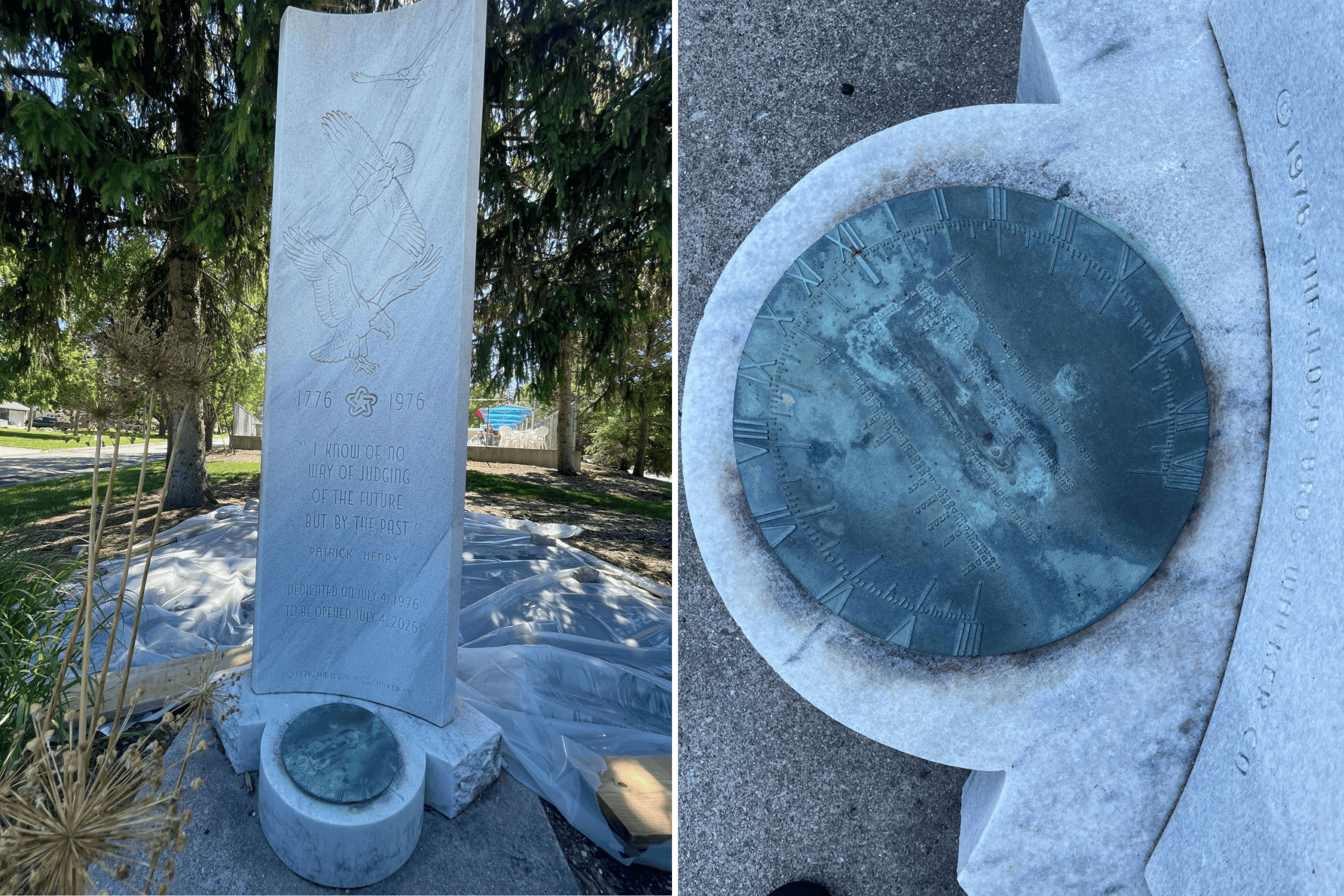
The monument inscription reads:
1776 - 1976
“I know of no way of judging of the future but by the past.” — Patrick Henry
Dedicated on July 4, 1976
To be opened on July 4, 2026
For most current UToledo students, 1976 might as well be ancient history — something that shows up in a textbook or music vibes from the Vietnam War era, not something with physical artifacts buried just a few miles from campus. But that’s exactly what makes the unveiling worth paying attention to. It’s a rare chance to see and hold actual evidence of how a previous generation of Northwest Ohioans understood their own moment.
But beyond the time capsule, the Bicentennial 50 years ago arrived at a strange moment for the country. The nation was still working through the aftermath of the Vietnam War and Watergate, and 1976’s celebrations leaned hard into nostalgic, unifying “founding moment” imagery, which was capitalized commercially as well. The popular “Spirit of ‘76” was marketed and personalized on front lawns, storefronts, parades, fireworks and Americana merchandise.
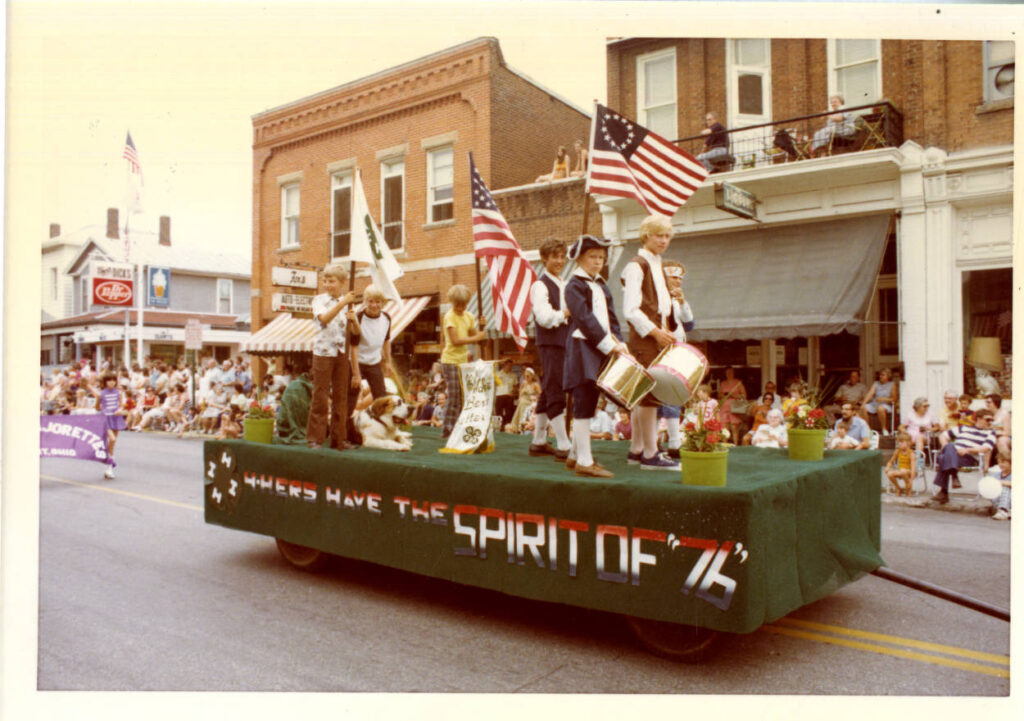
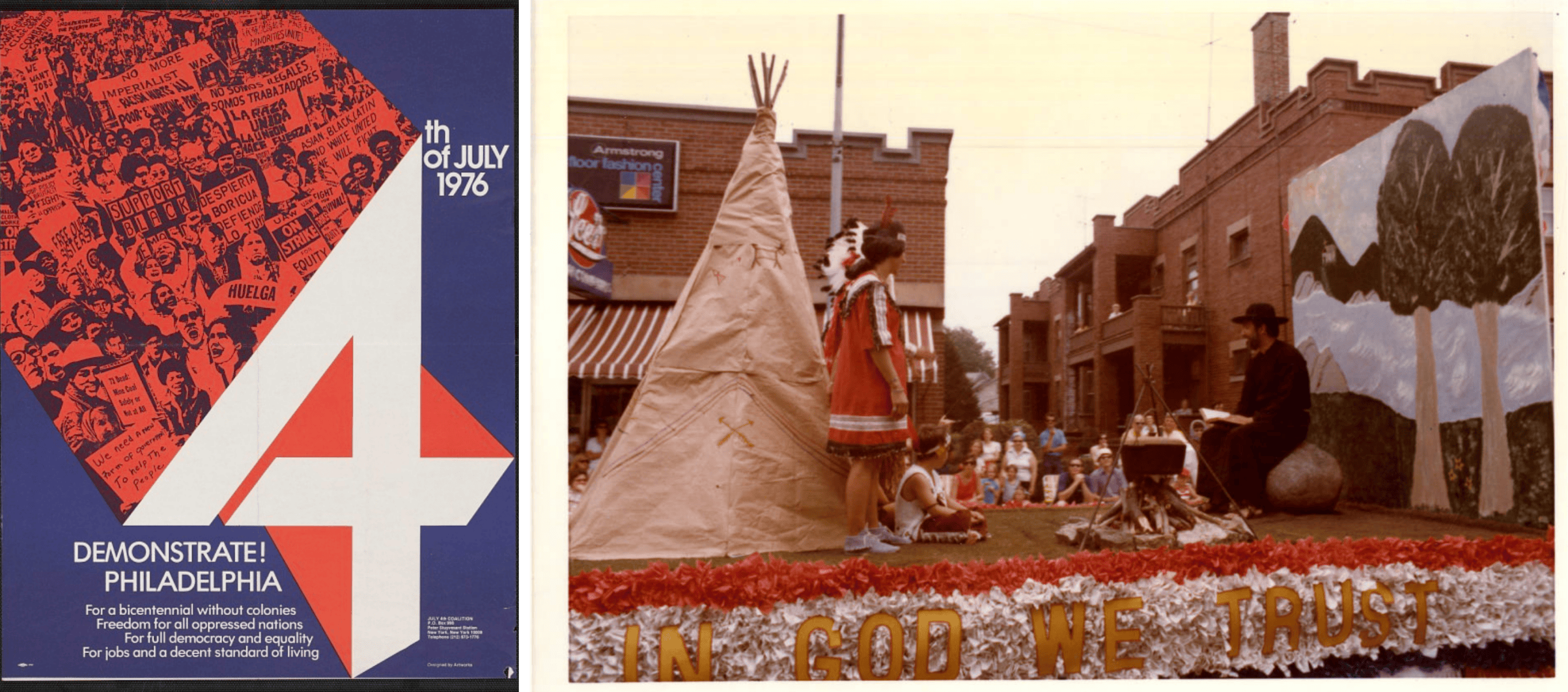
Northwest Ohio took that spirit and ran with it in ways that were as quirky as they were sincere. In June 1975, the American Freedom Train — a traveling exhibition of national artifacts — rolled into Archbold, Ohio, the smallest town on its entire nationwide tour.
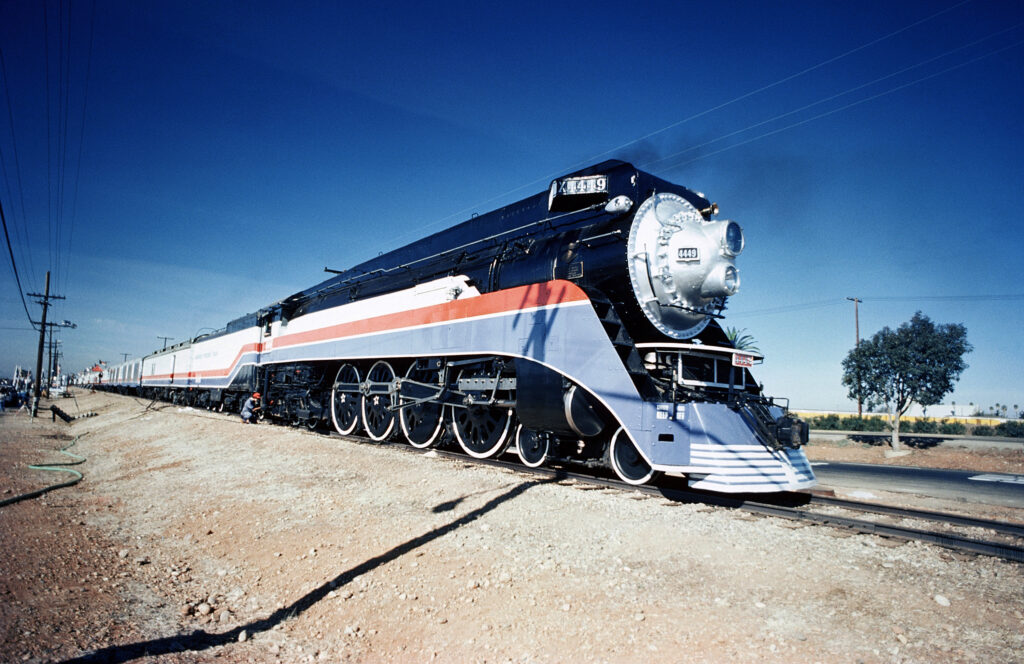
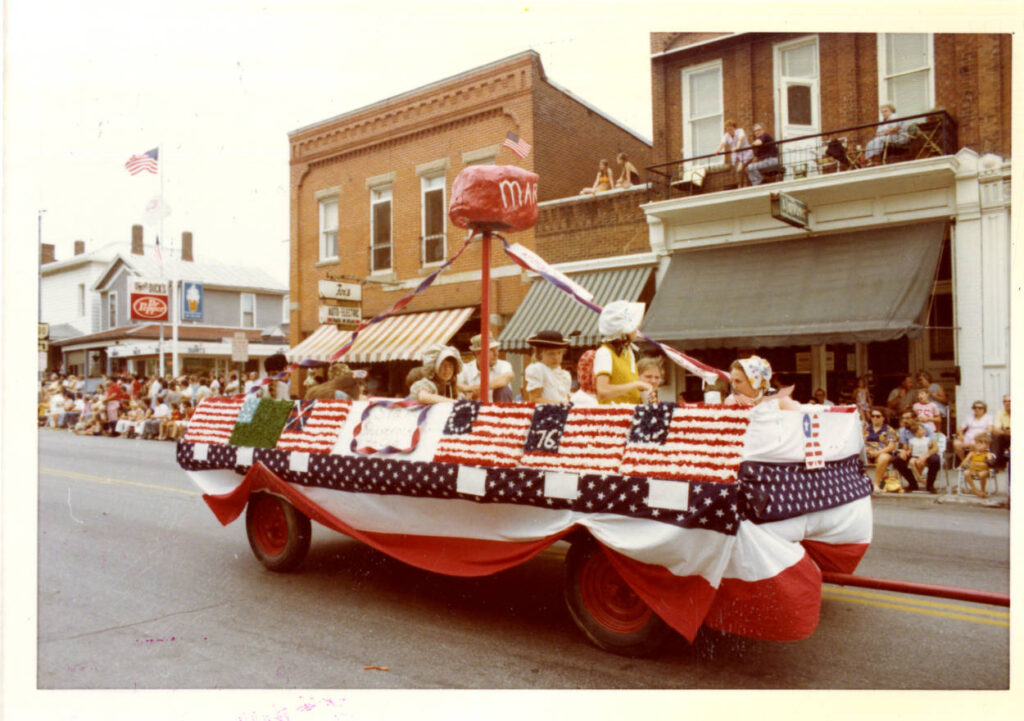
Despite heavy rain, the crowd that showed up outnumbered Archbold’s population seven times. A year later, Tiffin hosted a Bicentennial parade with 326 separate units, taking nearly four hours to cross the Sandusky River.
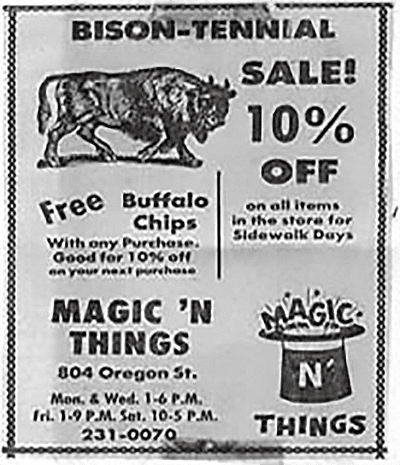
And in true Toledo fashion, one novelty store owner welded a 12-foot fiberglass buffalo to a trailer and entered it in a parade under the banner “Happy Bison-Tenial” — proof that patriotism in Northwest Ohio came with a sense of humor.
Sylvania’s own Bicentennial celebration culminated in the time capsule burial, marking that moment, and trusting that someone will still care enough to look back. And, so …. we’re here.
This year’s America’s 250 commemorations are not just on attention-grabbing icons; the programming locally includes lectures, historical passports, picnics and community service projects. If you’re curious where to start, check out the events calendar at the America 250-Ohio website for more information.
Unlike the bicentennial celebrations that brought the celebration to communities as touring exhibits and parade floats, 2026’s version asks residents to actively contribute to historical research, to community projects — including scavenger hunts — and more.
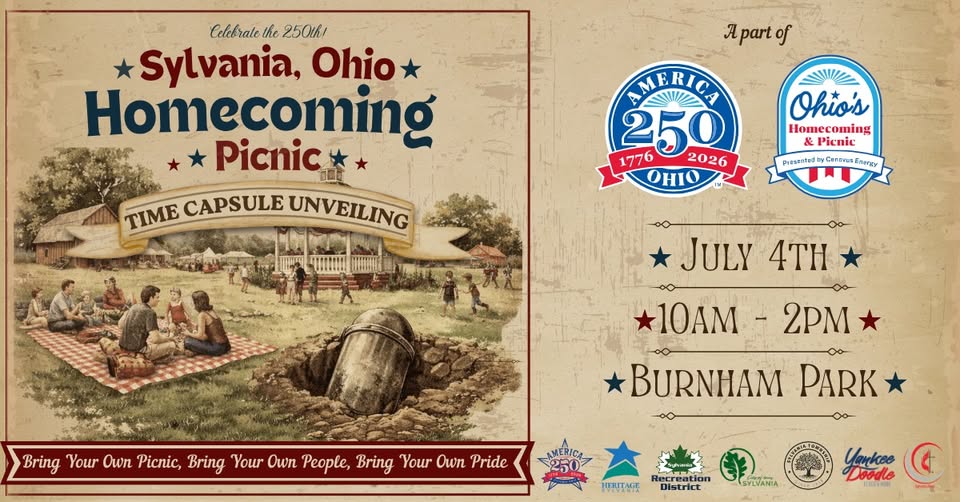
This year’s time capsule unveiling asks the community to participate twice: first by showing up to see what the community valued 50 years ago, and then by adding something of their own. Organizers are encouraging attendees to bring an item that represents life today to be sealed back into the vault, which will be reburied and reopened in 2076.
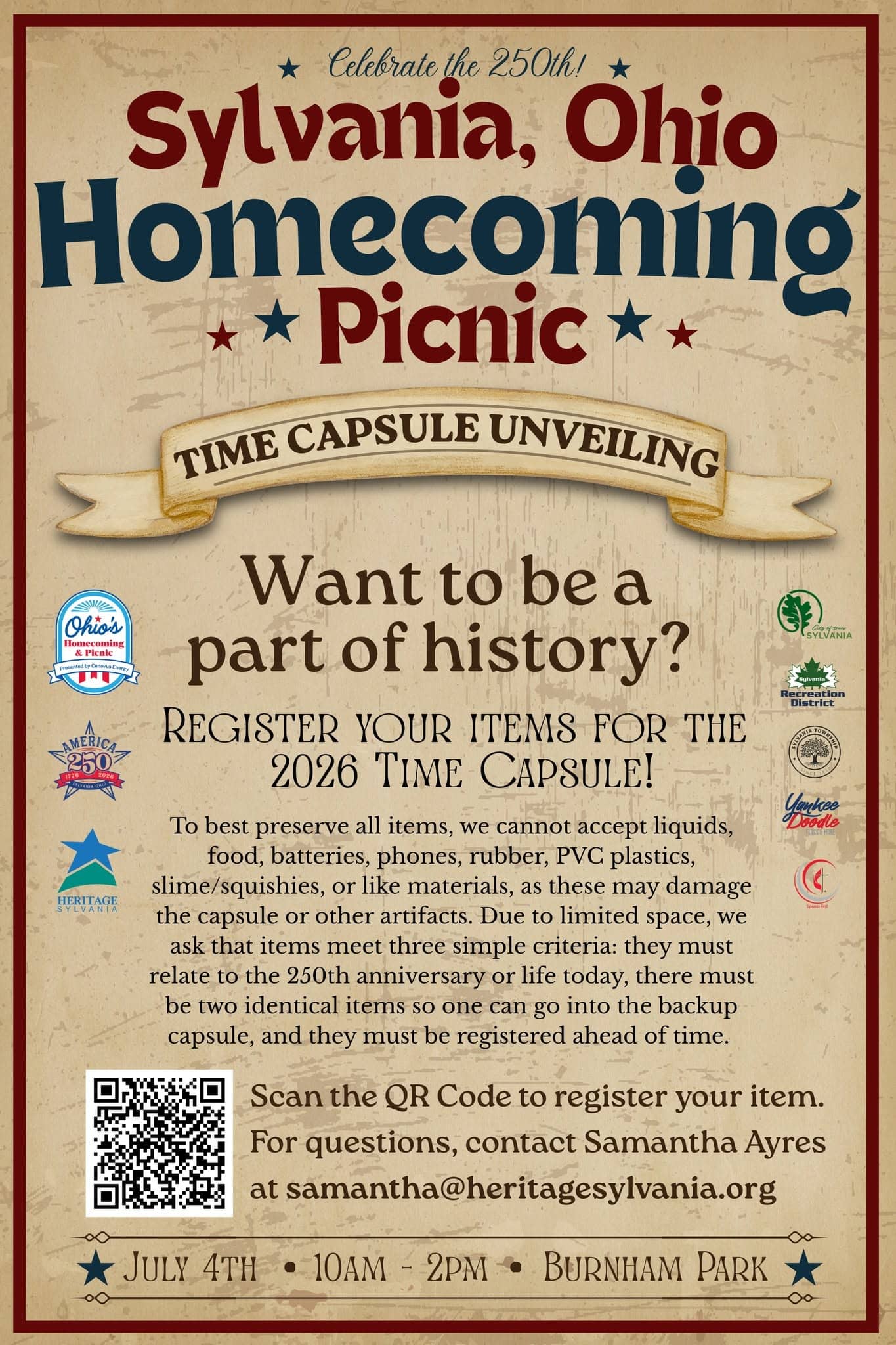
Let’s see what is of value for our next 50 years!